by BASLPCOURSE.COM
Speech and Language Disability Percentage Calculation: “Speech and language disability” means a permanent disability arising from conditions such as laryngectomy or aphasia affecting one or more components of speech and language due to organic or...
by BASLPCOURSE.COM
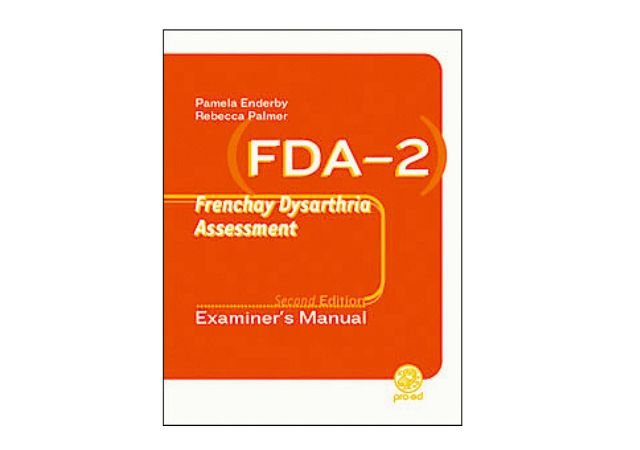
Frenchay Dysarthria Assessment 2 (FDA 2): Scoring | Interpretation: The Frenchay Dysarthria Assessment (FDA) stands as a pivotal advancement in the clinical management of dysarthria, a prevalent acquired speech disorder resulting from neuromuscular disorders. Despite...
by BASLPCOURSE.COM
The Western Aphasia Battery-Revised (WAB-R) is a modified version of the Western Aphasia Battery (WAB; Kertesz, 1982). It is an individually administered test designed to assess a patient’s language function following a stroke, dementia, or other acquired...
by BASLPCOURSE.COM
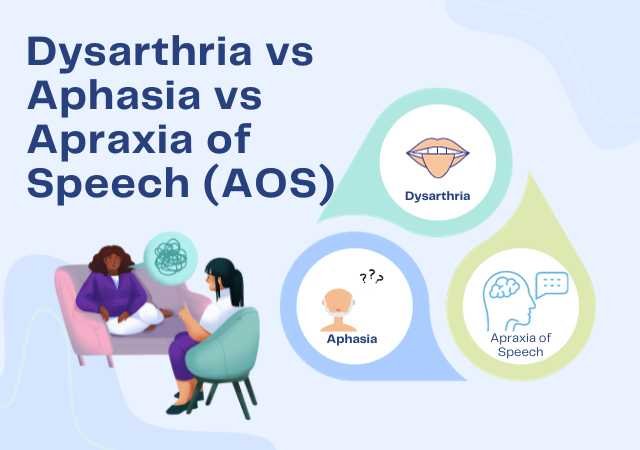
Dysarthria vs Aphasia vs Apraxia of Speech (AOS): Speech and language disorders, including dysarthria, aphasia, and apraxia of speech (AOS), present intricate challenges in diagnosis due to overlapping symptoms and coexisting conditions. The distinctions among...
by BASLPCOURSE.COM
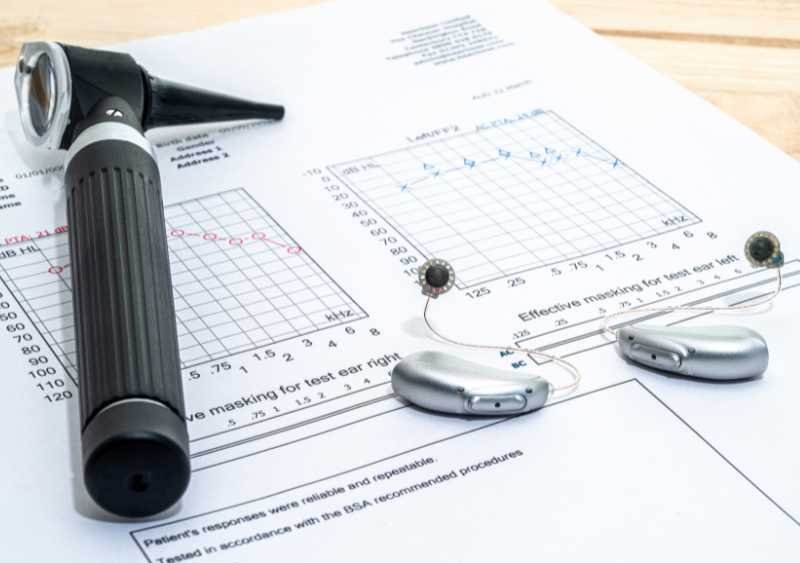
What Level of Hearing Loss requires a Hearing Aid? Guide for choosing suitable Hearing aids according to types (BTE, RIC, CIC etc.) and Reciever (Medium power, power and super power) based on degree of hearing loss (minimal, mild, moderate, Moderately severe, severe,...